
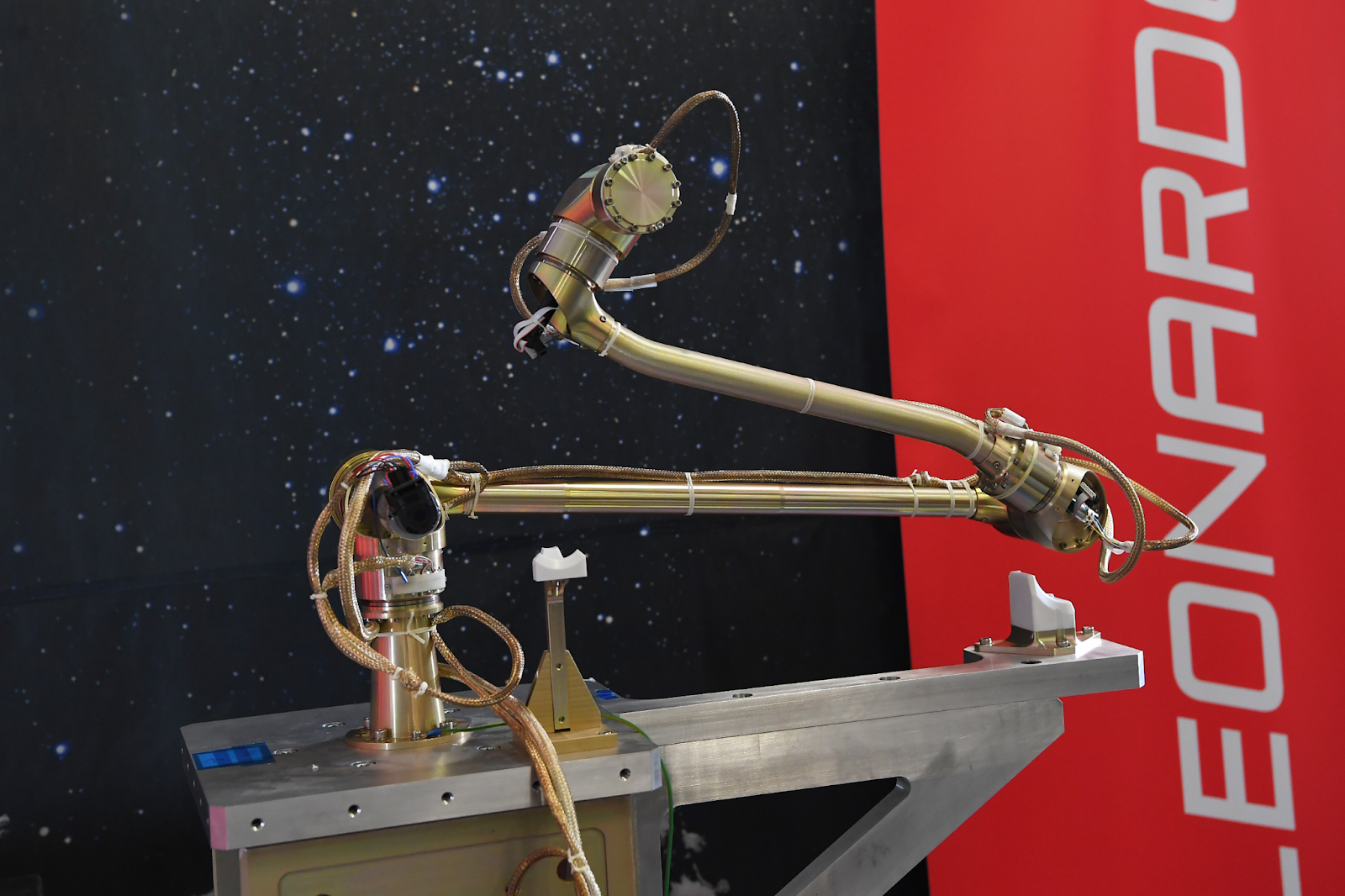
In today’s fast-paced industries, accuracy and speed are more important than ever. Many businesses, especially those in laboratories, manufacturing, and semiconductor production, handle delicate samples that must be moved safely and precisely. This is where a sample transfer arm becomes very useful.
A sample transfer arm is a robotic device designed to move materials or samples between different systems or environments without human contact. It helps improve efficiency, consistency, and cleanliness. As technology continues to advance, more companies are realizing how valuable this equipment can be for daily operations.
Improved Accuracy and Consistency
One of the biggest benefits of using a sample transfer arm is the high level of accuracy it provides. Unlike manual handling, robotic transfer arms can move samples with extreme precision every time. This consistency helps reduce human errors that could affect the quality of the product or research results.
In industries such as semiconductor manufacturing or pharmaceuticals, even a small mistake can cause delays or financial loss. By using a sample transfer arm, businesses can make sure that every movement is perfectly repeated.
Increased Efficiency and Speed
Businesses are always looking for ways to save time and increase productivity. A sample transfer arm can perform tasks much faster than a human worker, especially when handling repetitive movements. It can operate continuously without needing breaks, which boosts output and helps companies meet tight deadlines.
For example, in a laboratory setting, these arms can transfer samples from one chamber to another automatically, allowing scientists to focus on data analysis and research instead of routine tasks.
Enhanced Cleanliness and Contamination Control
Clean environments are critical in industries like biotechnology, electronics, and pharmaceuticals. Human contact can easily introduce contaminants that damage products or interfere with experiments.
Sample transfer arms operate in controlled environments such as vacuum chambers or cleanrooms, ensuring that samples remain untouched and free from contamination. This is especially important for sensitive materials like wafers or biological samples.
Better Safety for Workers
Using a sample transfer arm also improves workplace safety. Many industries involve handling hazardous materials, high temperatures, or vacuum environments. Manual handling in such conditions can be risky for workers.
A sample transfer arm removes the need for direct human contact with these dangerous materials, reducing the risk of accidents or injuries. It allows staff to control the process from a safe distance while still ensuring the job is done correctly. This not only protects employees but also creates a safer and more comfortable work environment.
Cost Savings and Long-Term Value
Although investing in a sample transfer arm may seem expensive at first, it provides significant long-term savings. Automation reduces the need for constant manual labor, which cuts labor costs over time. It also minimizes material waste and product damage, which can be costly for any business.
Since transfer arms are built for durability and reliability, they require less maintenance and can work for long periods without failure. These advantages make them a valuable asset for companies that want to remain competitive and efficient in the long run.
Conclusion
In many industries, precision, cleanliness, and safety are key to success. A sample transfer arm offers all these benefits and more. It ensures accurate and consistent handling, improves speed, keeps samples clean, protects workers, and saves costs in the long term.
As automation continues to shape the future of business operations, using a sample transfer arm is becoming not just a smart choice but a necessary one. Businesses that adopt this technology can enjoy smoother workflows, higher productivity, and better-quality results.