
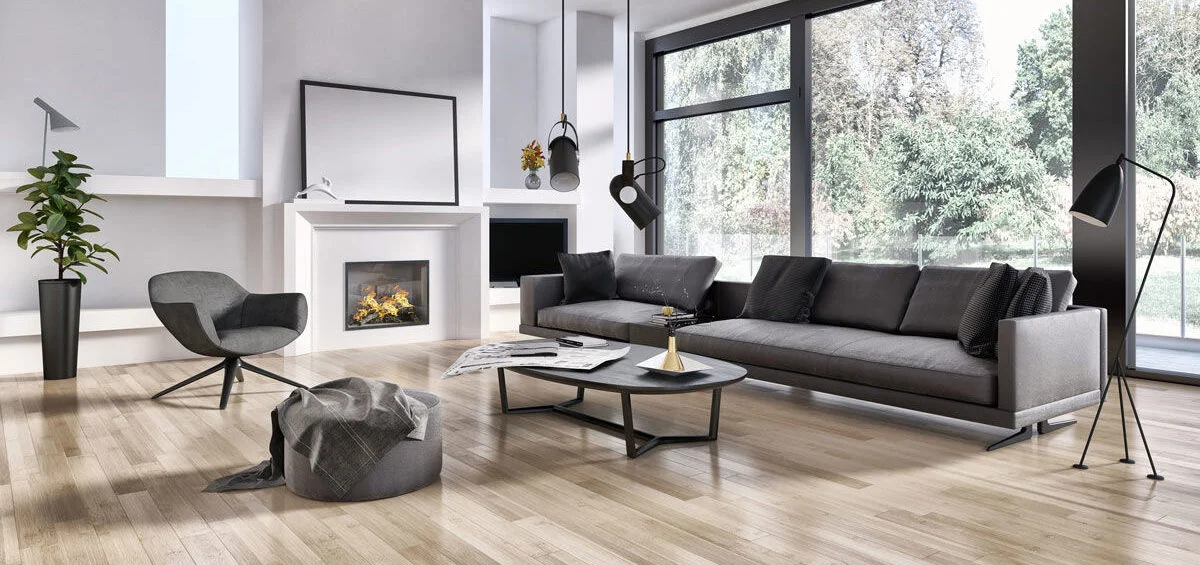
Designing your home is all about creativity, personality, and balance. One of the most impactful ways to express your style is through your flooring. The right floor tiles design can completely transform a space —from minimalist and modern to rustic and cozy.
But what truly sets a home apart is the art of mixing and matching tiles. By combining different colors, textures, and patterns, you can achieve a customized look that reflects your individuality and makes every room feel special.
Below, we’ll explore how to mix and match tiles effectively and how wooden floor tiles can play a starring role in creating a unique, cohesive home design.
1. Begin with a Clear Vision
Before choosing tiles, take time to define the style you want to achieve. Do you prefer a contemporary vibe with clean lines and neutral tones, or do you lean toward a warm, natural aesthetic? Having a vision helps guide your tile choices so the final look feels intentional rather than random.
Create a mood board with color palettes, tile samples, and textures that appeal to you. This simple step ensures that every design choice contributes to a unified theme, whether it’s Scandinavian simplicity or Mediterranean charm.
2. Mix Textures for Depth and Dimension
One of the best ways to make your flooring stand out is by mixing textures. Smooth and glossy tiles reflect light beautifully, making rooms appear larger and brighter, while matte or rough-textured tiles add depth and character.
For example, combining polished porcelain with wooden floor tiles can create a stunning contrast. The natural wood-look texture brings warmth and coziness to areas like the living room or bedroom, while glossy tiles lend sophistication to kitchens and hallways. This balance of smooth and organic surfaces results in a timeless yet contemporary appeal.
3. Play with Patterns and Shapes
Modern floor tiles design trends go far beyond the traditional square tile. From hexagons and herringbone patterns to chevrons and Moroccan-inspired motifs, geometric shapes are an exciting way to add personality to your space.
Mixing different shapes can create a striking visual effect. For example, you can use large rectangular wooden floor tiles in your living space and transition to smaller patterned tiles in adjoining areas such as the dining or kitchen zone. This variation not only looks stylish but also subtly defines each area within an open-plan layout.
4. Use Color Wisely
Color coordination is key when mixing tiles. Choose a consistent color palette that ties everything together. Neutrals like beige, gray, cream, and white are timeless options that complement nearly any décor. To add more vibrancy, incorporate accent tiles in soft pastels or bold tones like navy blue or emerald green.
If you love the look of natural materials, pair the warm tones of wooden floor tiles with cool gray or white stone-look tiles. The result is a balanced, elegant design that feels both modern and inviting.
5. Define Zones with Tile Transitions
One of the smartest ways to mix tiles is by using them to define different functional areas in your home. Open-concept homes, in particular, benefit from this technique. You can use wooden floor tiles in your living room for a cozy atmosphere, then transition to patterned ceramic or mosaic tiles in the kitchen for easy maintenance and visual separation.
Using a border or metallic trim at the transition point helps achieve a clean, professional finish. It’s an elegant way to connect two different tile designs while maintaining harmony across your home.
6. Keep Balance and Proportion in Mind
When mixing tiles, less is often more. Limit yourself to two or three types of tiles per space to avoid visual clutter. The goal is to create contrast and personality without overwhelming the eye.
A simple rule of thumb: if you choose bold patterns for one area, keep the rest of the flooring subtle. This balance ensures your space feels cohesive and well thought out.
7. Don’t Forget the Grout
Grout color can make a surprising difference in the overall look of your tiles. Matching grout creates a seamless appearance, while contrasting grout highlights the shapes and patterns of your floor tiles design. For example, light gray grout against white tiles adds subtle definition, while dark grout with wooden tiles enhances their natural woodgrain texture.
Conclusion
Mixing and matching tiles is an exciting way to add personality, depth, and creativity to your home design. Whether you’re pairing bold geometric tiles with subtle neutrals or blending sleek ceramics with wooden floor tiles, the possibilities are endless. With thoughtful planning, attention to color harmony, and a focus on texture, you can achieve a custom floor tiles design that transforms your home into a stylish, inviting space that reflects your unique taste.