
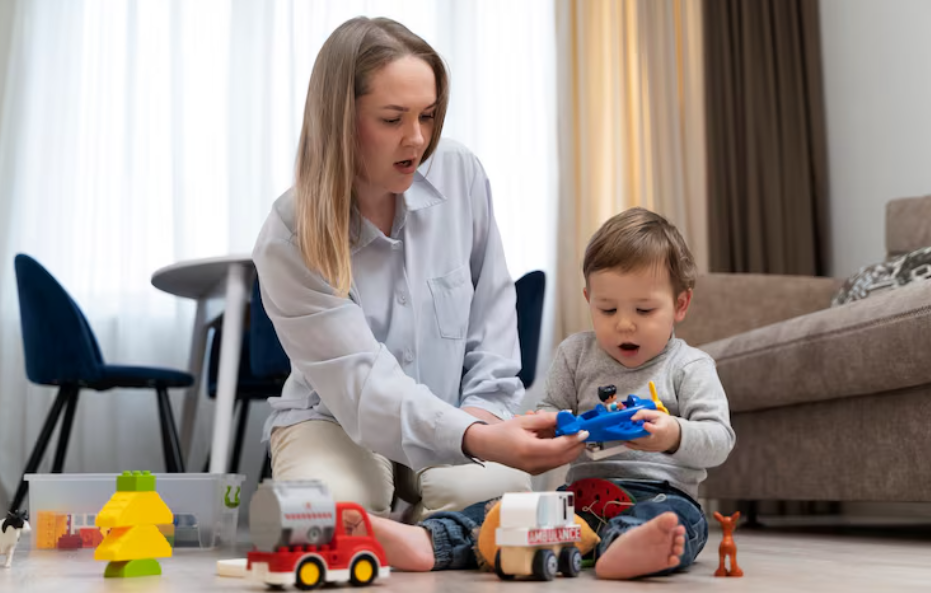
Early childhood is a very important stage in a child’s life. During these years, the brain develops quickly, and children learn basic skills such as speaking, moving, thinking, and interacting with others. If a child faces any developmental delay or difficulty, getting help at the right time can make a big difference. This is where early intervention services play a key role. These services are designed to support children who may need extra help in their early development so they can reach their full potential.
Understanding Early Intervention Services
Early intervention refers to a range of professional support services given to infants and young children who show signs of developmental delays or are at risk of them. These services may include speech therapy, physical therapy, occupational therapy, and special education support. The main goal of early intervention is to identify challenges as early as possible and provide the right support before problems become more serious.
Supporting Cognitive and Learning Development
One of the main benefits of early intervention is its positive impact on a child’s thinking and learning skills. Children develop at different speeds, and some may need extra help in areas like problem-solving, memory, and understanding instructions. With proper early intervention, trained specialists use simple and structured activities to improve a child’s learning abilities. This helps children become more confident and better prepared for school in the future.
Improving Communication and Language Skills
Communication is one of the most important parts of a child’s development. Some children may face delays in speaking, understanding words, or expressing their thoughts. Early intervention services can support these children through speech therapy and language-building activities. These services help children learn how to communicate effectively, which also improves their social interactions and emotional expression. When children can communicate better, they feel more connected to the people around them.
Enhancing Social and Emotional Growth
Social and emotional development is just as important as physical and academic growth. Children need to learn how to interact with others, share, and understand emotions. Early intervention helps children build these skills through guided play and structured activities. It also supports children who may struggle with behavior, anxiety, or difficulty adjusting to new environments. With the right support, children learn how to manage their emotions and build healthy relationships.
Strengthening Physical Development
Some children may experience delays in motor skills such as crawling, walking, or using their hands for small tasks. Early intervention services include physical and occupational therapy that help strengthen muscles and improve coordination. These therapies are designed to make everyday activities easier for children, allowing them to become more independent in their daily lives.
Conclusion
Early intervention plays a vital role in supporting a child’s overall development during the early years. By identifying challenges early and providing the right support, children can improve their learning, communication, social skills, and physical abilities. The earlier the help is given, the better the results for the child’s future. Parents and caregivers should always pay attention to developmental milestones and seek help when needed, as early support can create a strong foundation for lifelong success.